English
English

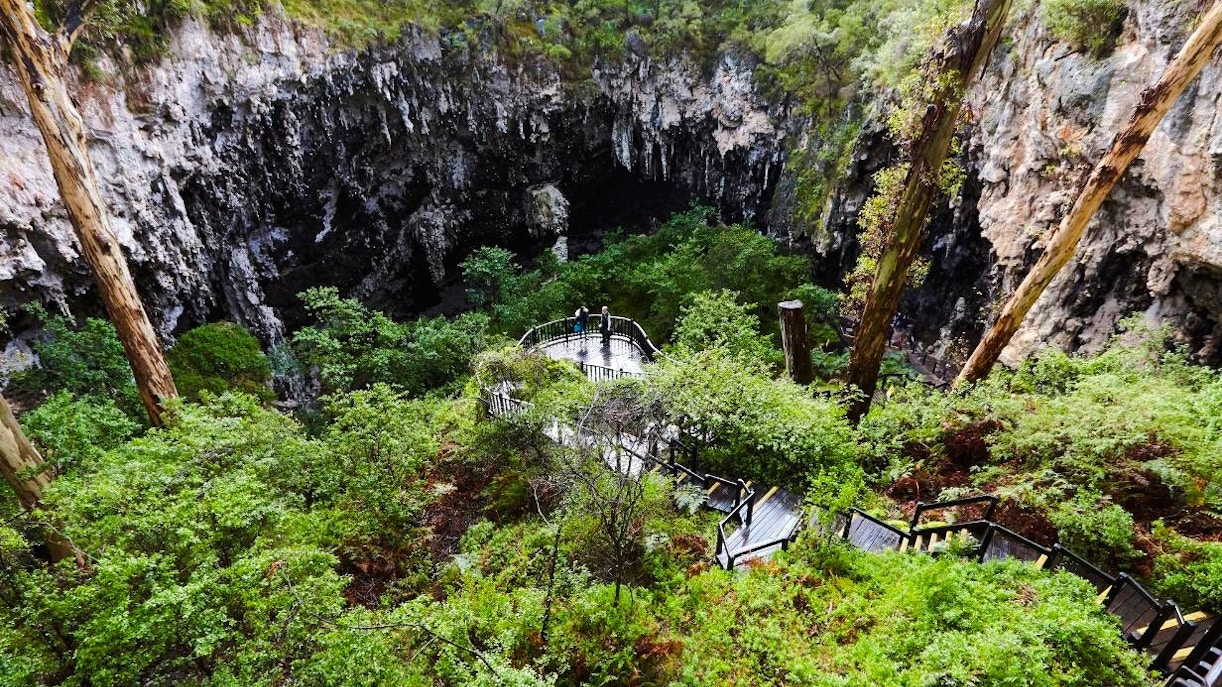
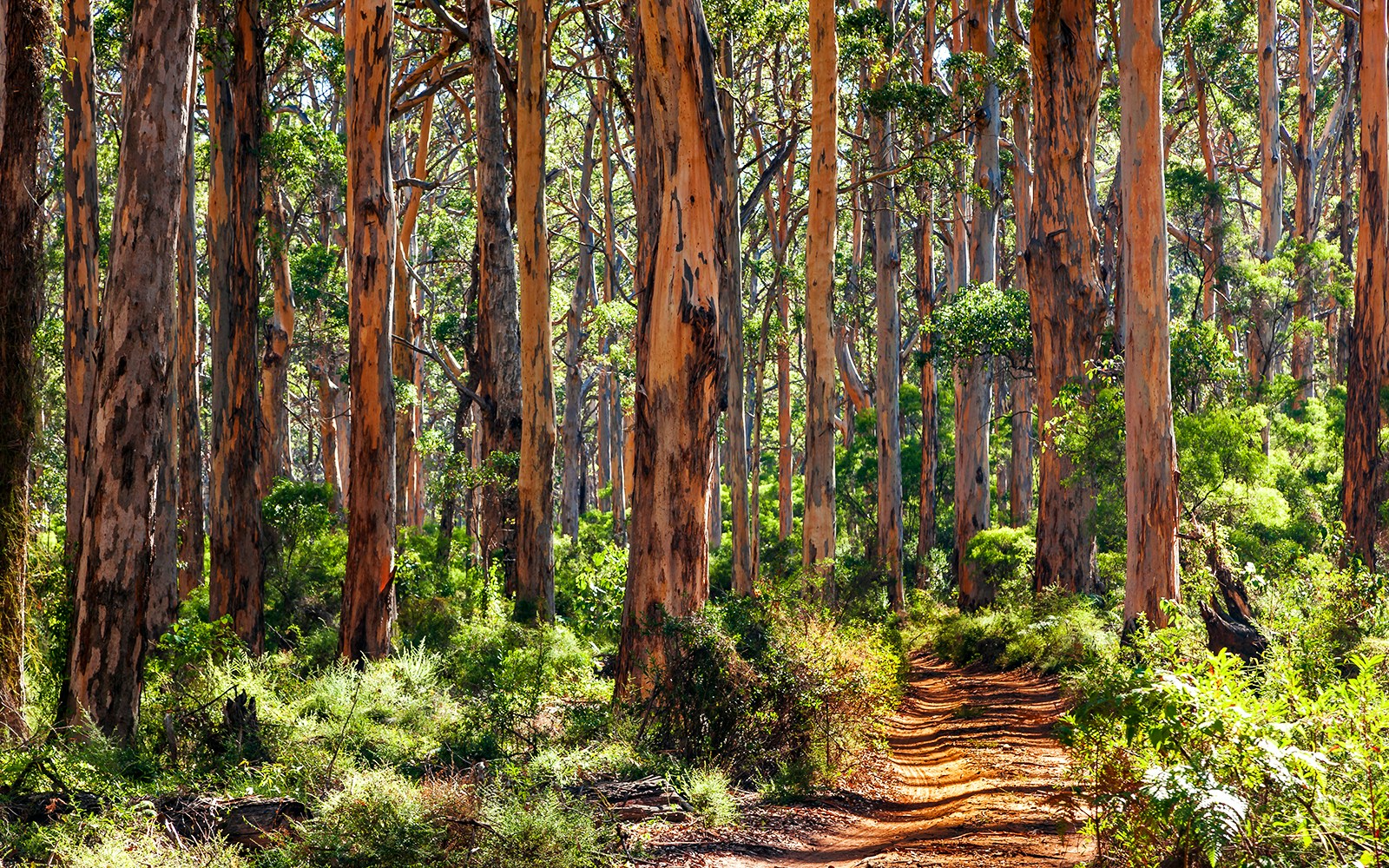
The Margaret River cave network sits along Caves Road between Yallingup and Augusta in Western Australia’s southwest. Home to Ngilgi Cave, Mammoth Cave, Lake Cave, and Jewel Cave, this region features some of the state’s most spectacular limestone show caves and forest scenery. The caves are located 15–50 minutes from Margaret River town, and around 3 hours’ drive from Perth.
Address: Caves Road, Margaret River Region, WA (exact location varies by cave). Find on Map.
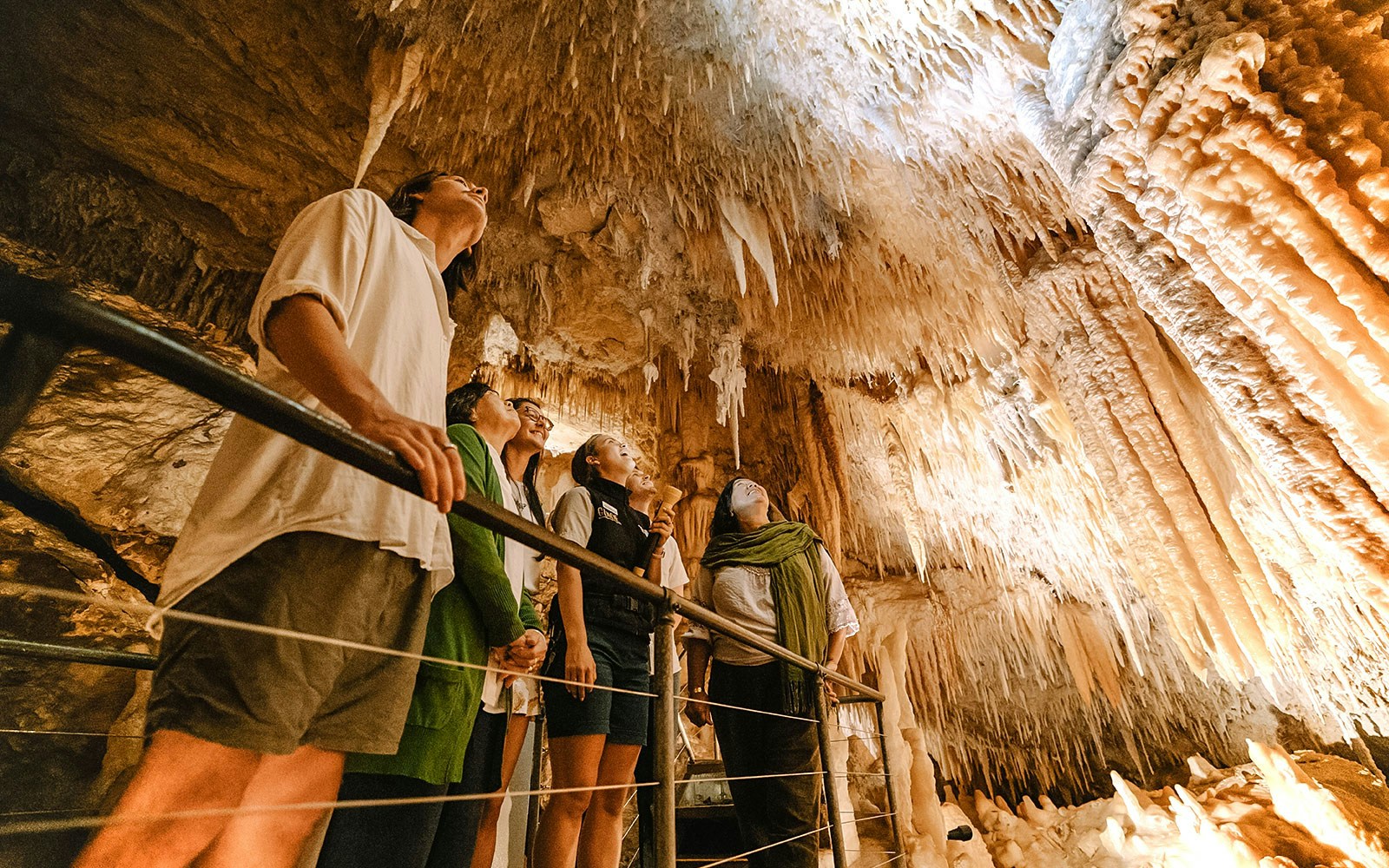
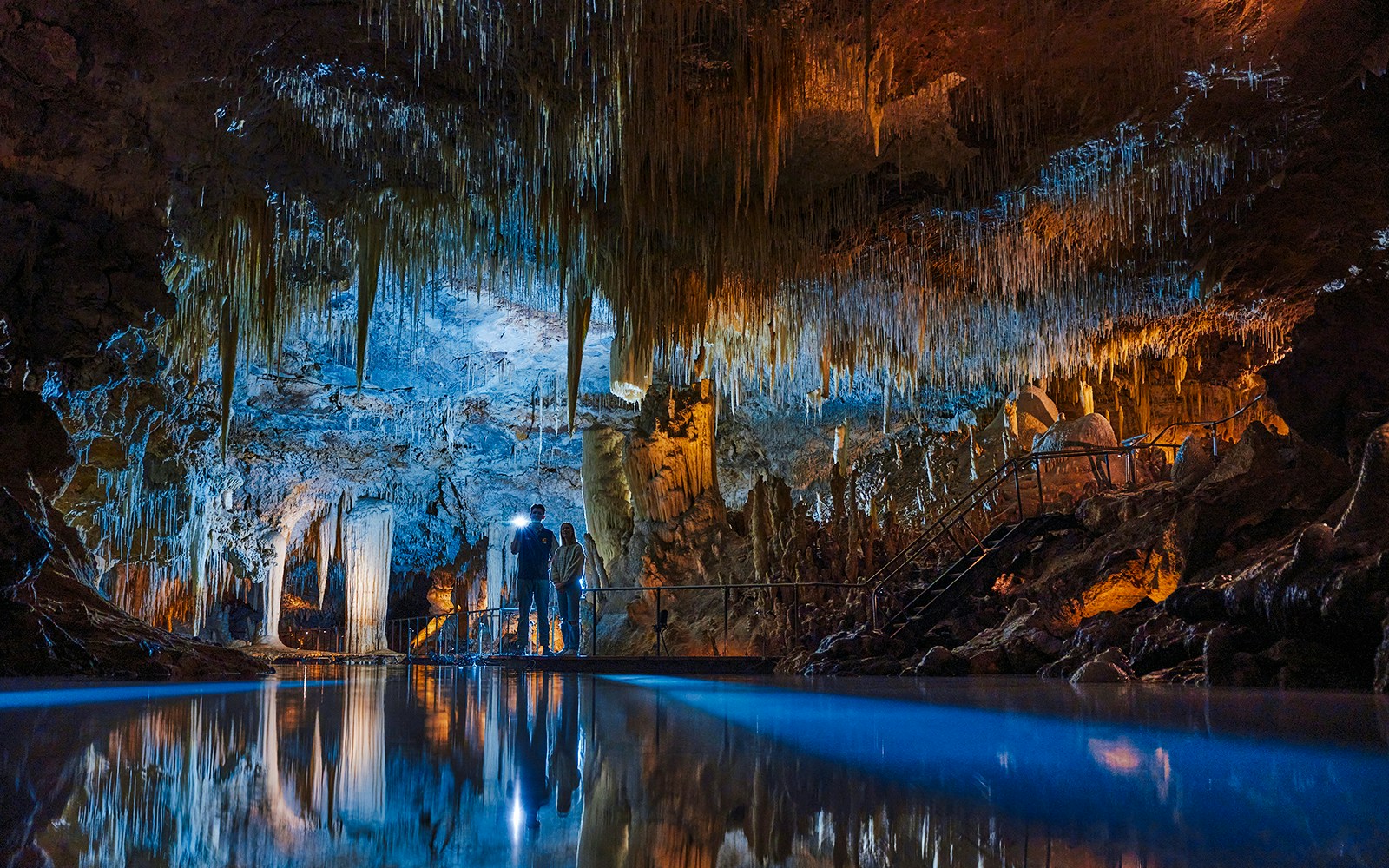




One of Australia’s biggest show caves, known for its towering chambers and long straw stalactites. A must-see for dramatic limestone formations.
Margaret River is dedicated to protecting its unique natural and cultural treasures, including the region’s iconic caves. Sustainability is at the heart of every initiative, ensuring these wonders can be enjoyed for generations to come.

All tours are designed to minimize impact. Visitors are guided along marked paths, ensuring that delicate formations and habitats remain untouched.

They use low-energy lighting to preserve cave conditions and implement water-saving practices in visitor facilities.

The caves are home to rare and sensitive species. The team monitors wildlife activity and ensures that habitats are undisturbed.

They partner with geologists, ecologists, and local Indigenous communities to study and protect the caves. Visitors can learn about the geology, ecology, and cultural significance through educational programs.

Guests are encouraged to follow simple yet impactful rules. No touching formations, no littering, and respecting wildlife to ensure the caves remain pristine for generations to come.
There are over 100 known caves in the region, with key show caves open to the public including Jewel, Lake, Mammoth, Ngilgi, Giants, and Calgardup.
Jewel Cave is the largest and most visited, known for massive stalactites and towering chambers.
Mammoth Cave is the easiest, offering a self-guided walk with boardwalks and gentle slopes.
Depth varies—Lake Cave sits deep within a collapsed doline, while Mammoth Cave has large walk-through chambers.
Booking is recommended for guided tours at Jewel, Lake, and Ngilgi Caves, especially during weekends, school holidays, and peak seasons.
Most tours take 45–60 minutes, while self-guided caves like Mammoth or Giants can take 30–90 minutes depending on your pace.
Yes. Caves like Mammoth and Ngilgi are family-friendly, with boardwalks and easy paths. Adventure caving sections are optional.
Caves stay cool year-round (around 12–15°C), so bringing a light jacket is recommended.
Yes, each cave has on-site parking, usually free, with additional space for larger vehicles during peak periods.
Most cave sites do not sell food, so bring snacks and water. Some visitor centres have small cafés or vending options.
Walk-ins are accepted when space allows, but pre-booking ensures you don’t miss your preferred time.